Inspired by experience. Driven by global need.
A story of design, evidence, collaboration, and the pursuit of practical newborn care across diverse healthcare settings.







EARLY CLINICAL DEVELOPMENT — RHODE ISLAND
United States: From Concept to Clinical Evaluation
2005–2007 | Brown University, Hasbro Children’s Hospital, and Women & Infants Hospital
AccuCirc® technology was first clinically evaluated at Hasbro Children’s Hospital in Providence under the direction of Anthony Caldamone, MD, then Chief of Pediatric Urology and Professor of Surgery (Urology) and Pediatrics at Brown University, with David R. Tomlinson, MD, serving as the hospital’s principal researcher.
In 2007, the low-profile shielding and foreskin-holding components were further evaluated at Women & Infants Hospital, refining elements intended to support accurate tissue positioning, glans protection, and consistent device performance.
Later that year, the AccuCirc received FDA 510(k) clearance, marking an important milestone in the technology’s clinical development.
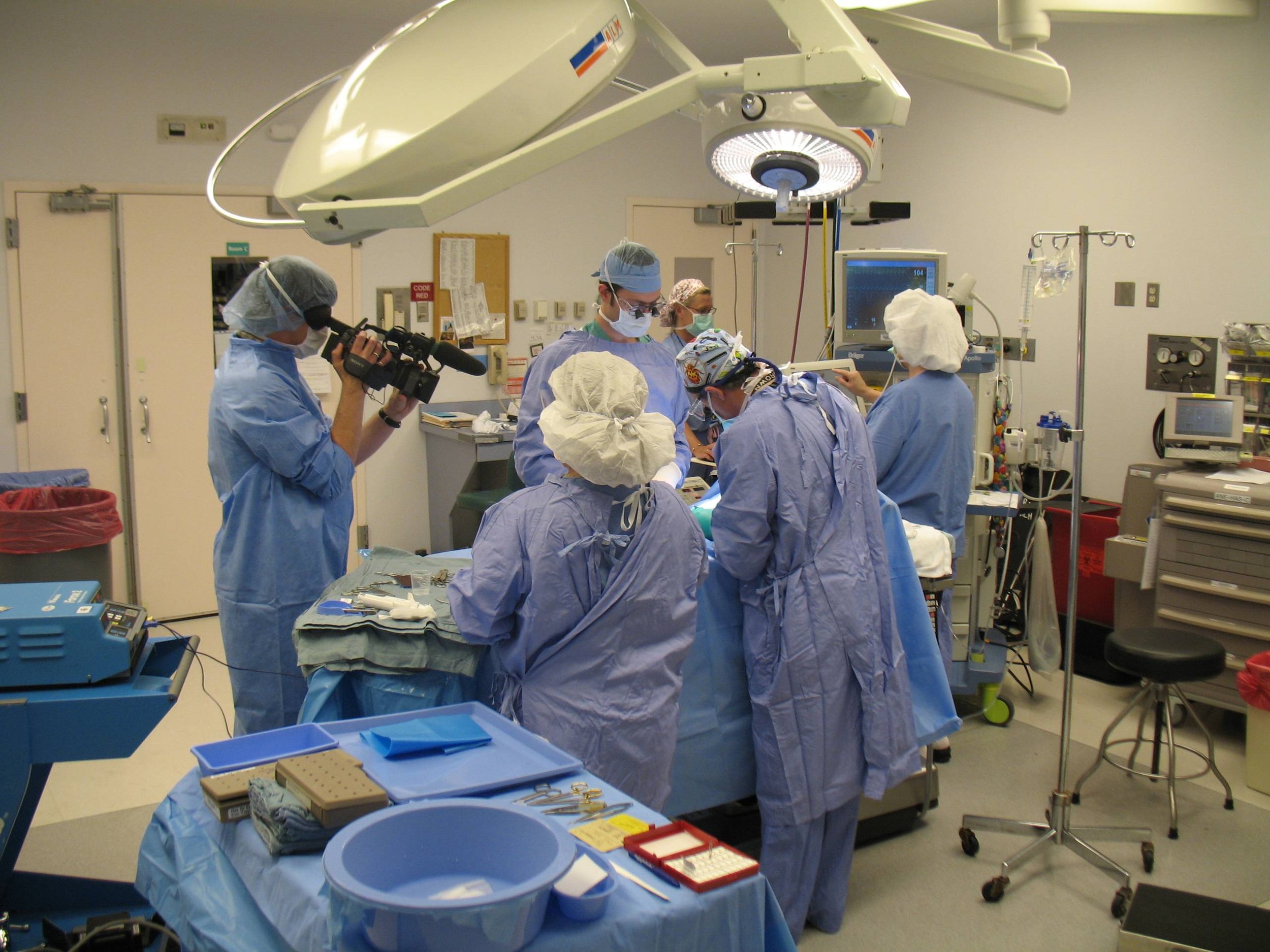
Early clinical evaluation of AccuCirc at Hasbro Children’s Hospital, Providence, Rhode Island • 2006
CLINICAL EVALUATION — NIGERIA
Nigeria: Evaluation in the Population of Intended Use
Ibadan / Lagos / Ife | Early clinical evaluation and follow-up
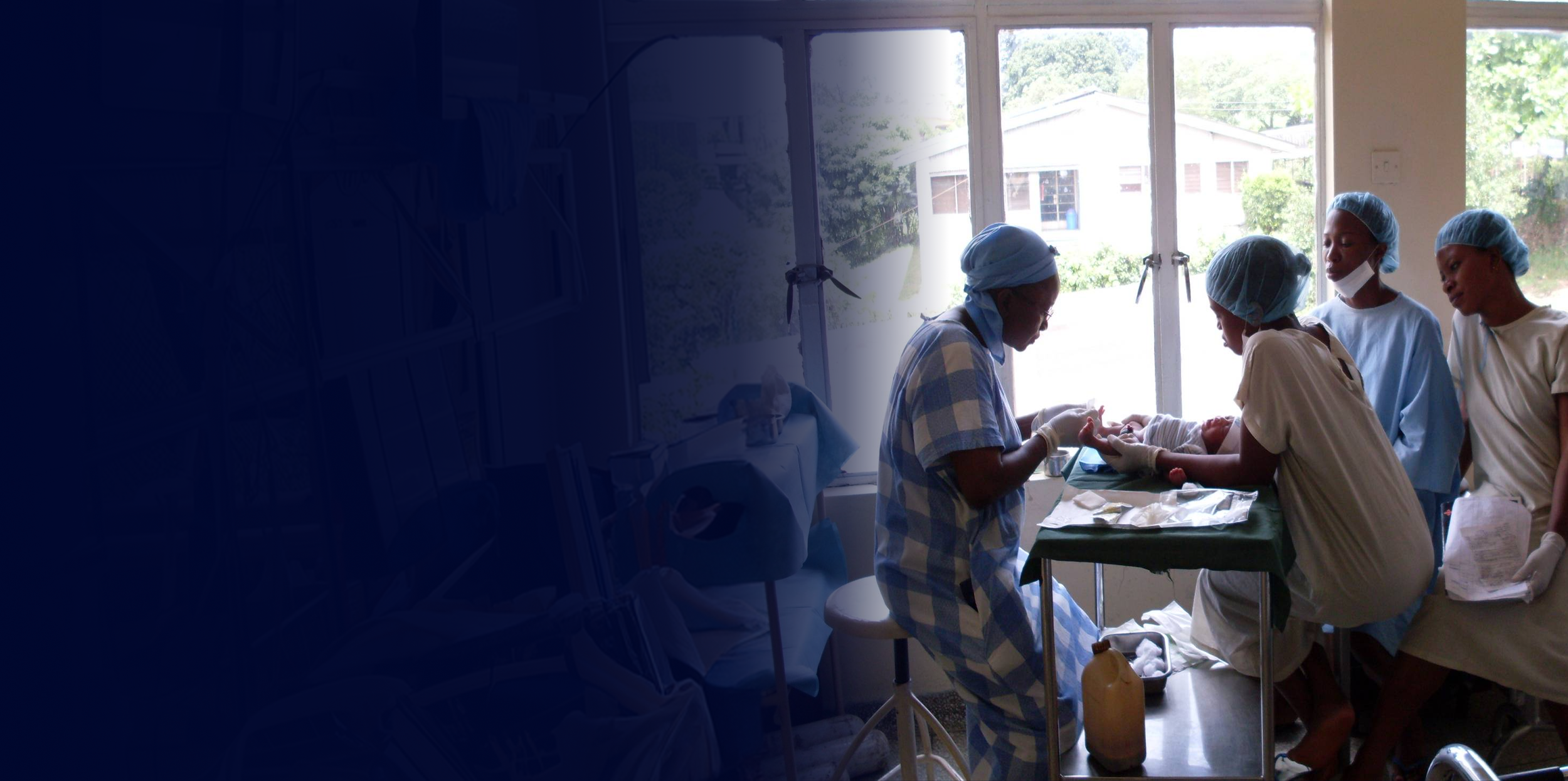
In October 2008, AccuCirc® was evaluated in 52 infants presenting for elective circumcision at the Catholic Hospital in Ibadan, Nigeria. With FDA clearance already achieved, the evaluation addressed a different question: how would the technology perform in a resource-limited setting and among the population for whom it was ultimately intended?
The evaluation provided early evidence that AccuCirc® could perform successfully in a resource-limited setting, supporting its potential to advance safer circumcision care globally.
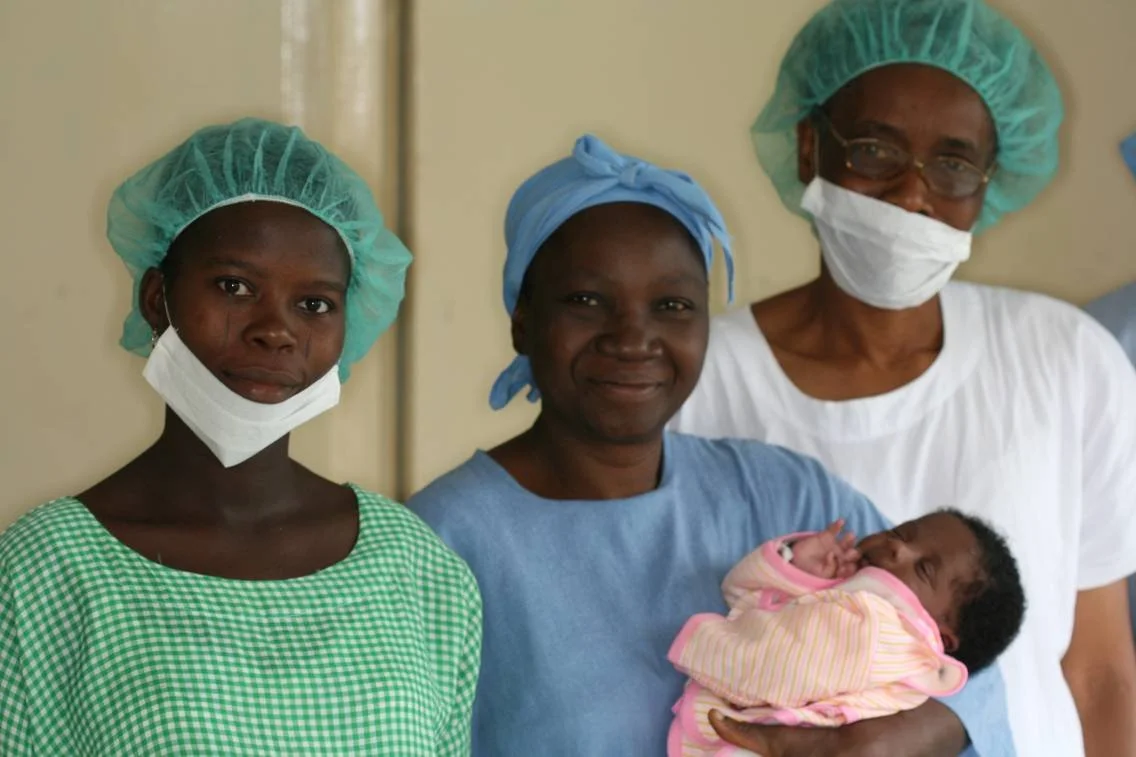
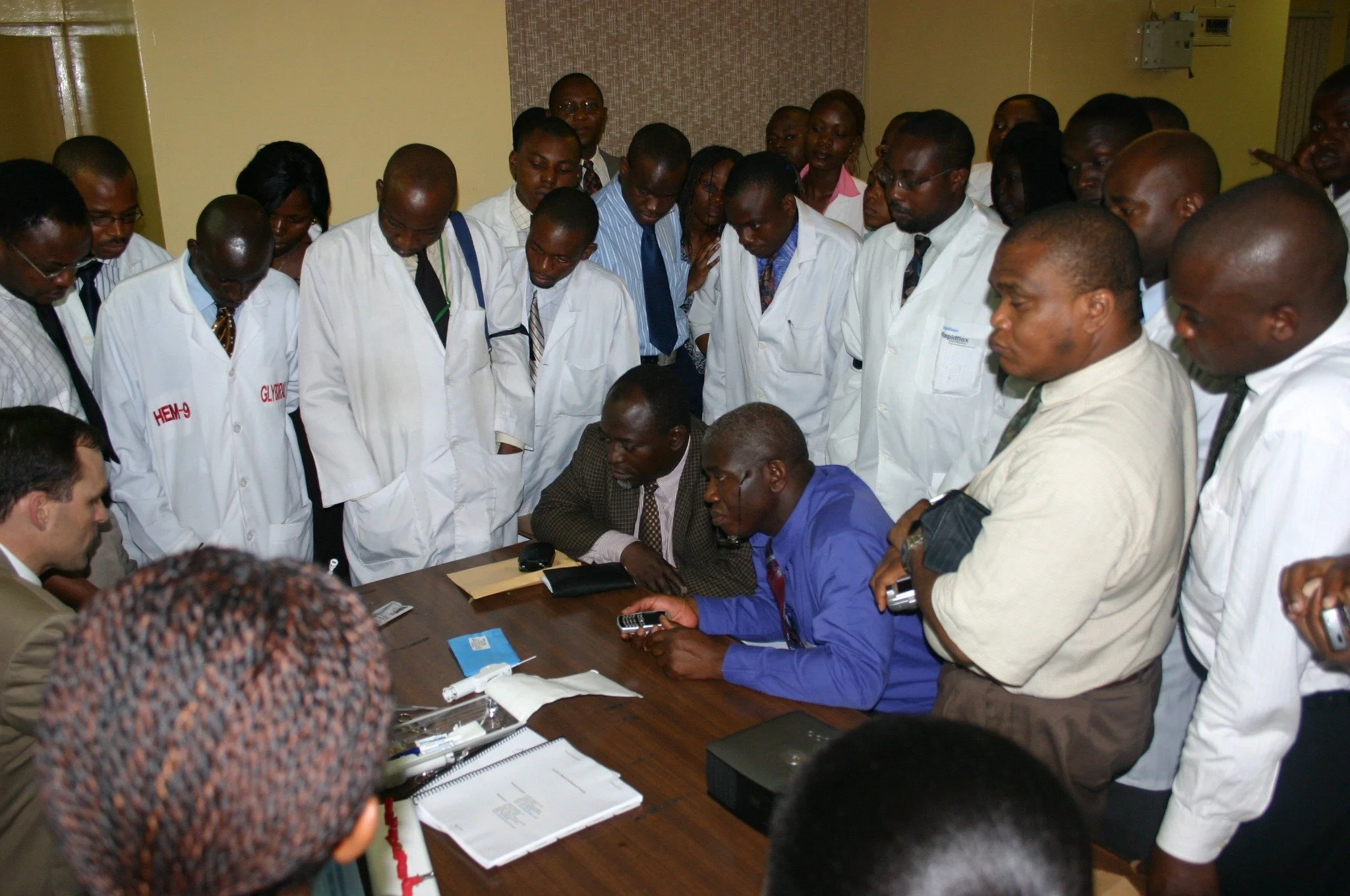
Early clinical evaluation of AccuCirc in Ibadan, Nigeria • 2008
GLOBAL GUIDANCE — WHO
Helping Define a Global Standard of Care
Geneva | WHO/Jhpiego | 2010
Our goal has always extended beyond any single device. Experience from clinical development and work in global settings informed a broader commitment: improving the safety and quality of early infant male circumcision wherever it is performed.
Following participation in an international expert review in Geneva, our team was selected to write the surgical chapters to the WHO/Jhpiego Manual for Early Infant Male Circumcision under Local Anaesthesia, published in 2010.
“Newborns deserve the best care — and protection from preventable injury and poor outcomes.” —Dr. Tomlinson

Provider education and hands-on clinical training • Global programs
PUBLISHED CLINICAL RESEARCH
Botswana: Single-Arm Evaluation of AccuCirc®
Gaborone & Molepolole | JAIDS, 2014
A single-arm evaluation examined AccuCirc® for early infant male circumcision at two hospitals in southeastern Botswana. The study brought together investigators and clinical teams from Botswana and leading U.S. academic medical institutions, establishing an important early body of published evidence for AccuCirc®.
COLLABORATING INSTITUTIONS
Brigham & Women’s Hospital • Harvard School of Public Health
Botswana-Harvard AIDS Institute • Botswana Ministry of Health
Massachusetts General Hospital • Beth Israel Deaconess Medical Center
FUNDING
PEPFAR • National Institutes of Health (NIAID)

Early clinical evaluation of AccuCirc • Botswana • 2012
PUBLISHED CLINICAL RESEARCH
Zimbabwe: Randomized Trial, Cost Analysis, and Field Study
Harare clinical and field study sites | JAIDS, 2015; GHSP, 2016
Zimbabwe became an important setting for further evaluation of AccuCirc® through a randomized trial, cost analysis, and nurse-midwife field study. Importantly, the research extended early infant circumcision beyond physician-only care, demonstrating that trained nurse-midwives could safely and feasibly perform the procedure using AccuCirc®—an important step toward expanding access to newborn circumcision in resource-limited settings.
COLLABORATING INSTITUTIONS
CeSHHAR Zimbabwe • Ministry of Health and Child Care • University of Zimbabwe • Harare City Health • UCL • LSHTM • Population Services International • University of North Carolina at Chapel Hill
FUNDING
Bill & Melinda Gates Foundation through Population Services International (PSI)

Provider education and hands-on clinical training • Global programs
FIELD EVALUATION — KENYA
Kenya: Safety, Acceptability, and Feasibility
Kisumu and Ahero | PLOS ONE, 2018
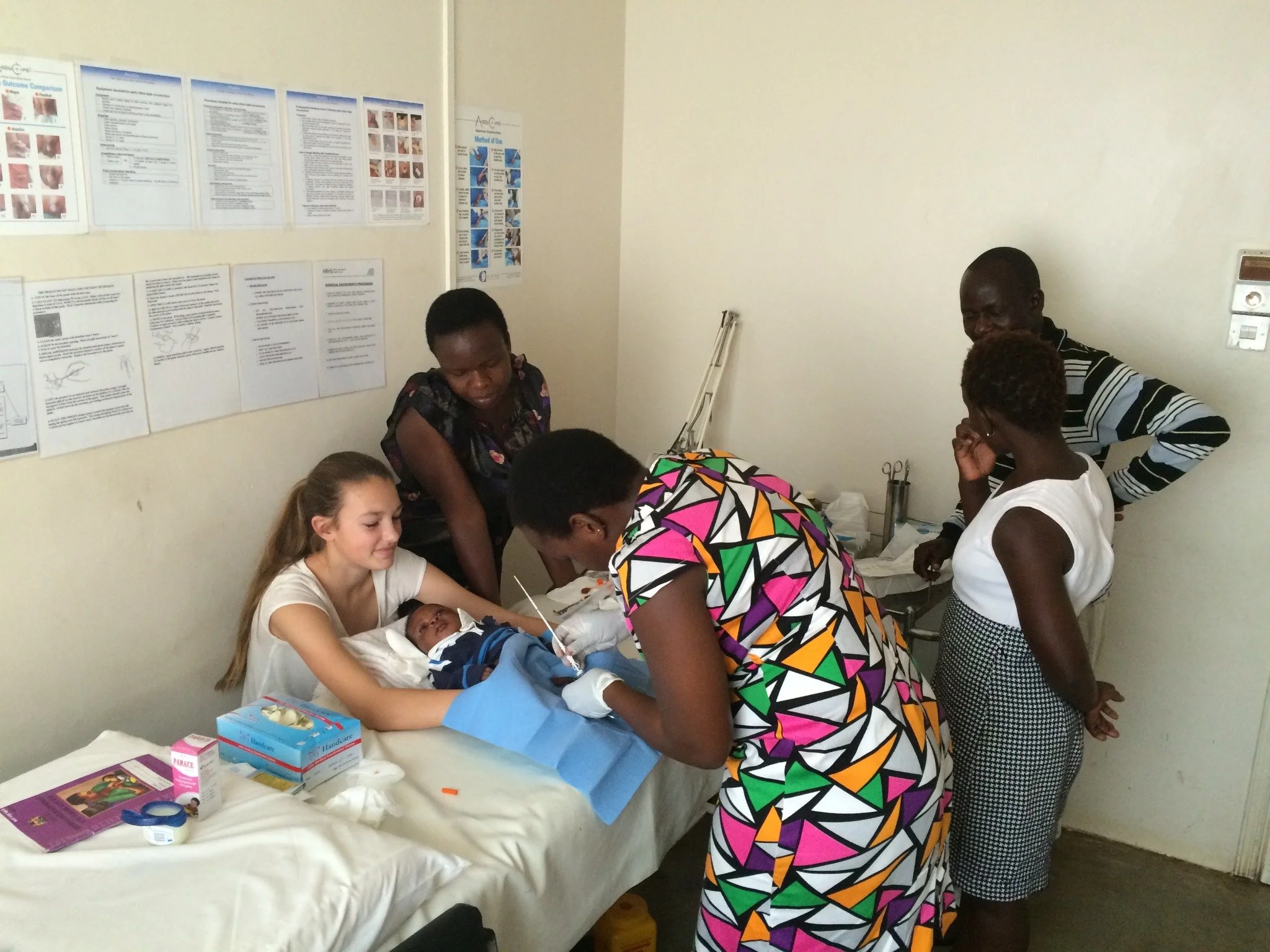
In western Kenya, AccuCirc® was evaluated for safety, acceptability, and feasibility at the UNIM Research and Training Centre in Kisumu and Ahero Sub-County Hospital. The study extended AccuCirc® evaluation into routine clinical settings, examining whether its safety-focused design could support practical, scalable newborn circumcision care.
COLLABORATING INSTITUTIONS
Nyanza Reproductive Health Society (NRHS), University of Illinois Chicago · Brigham & Women’s Hospital · Emory University
FUNDING
US National Institutes of Health (NIH)

AccuCirc field evaluation in Kisumu County, Kenya • 2015–2016
PUBLISHED CLINICAL RESEARCH
Ghana: SafeCirc® in Action
Accra, Ho, and rural communities | Training and implementation planning
SafeCirc’s work in Ghana focused on translating evidence into practical training and pathways for local implementation. The team assessed national capacity, engaged healthcare leaders, trained community health midwives, and visited rural communities to better understand how safe newborn circumcision care could extend beyond major urban centers.
The program trained 120 community health midwives, contributed to the development of a formal midwife training curriculum, and helped identify pathways for expanding access to safe newborn circumcision care in rural communities.

Training community health midwives in early infant male circumcision • Ghana • 2026
MISSION ORIGINS
Senegal: An Early Influence on the SafeCirc® Mission
A personal experience that helped shape a commitment to practical, globally accessible newborn care.
SafeCirc® founder David Tomlinson, MD, first connected with Senegal through his close friend and MIT roommate, Mbissane Ba, who is from Senegal. After graduation, Dr. Tomlinson traveled with Mbissane and his family throughout the country, including Gorée Island and Mbissane’s family village.
The experience provided an early understanding of how geography, infrastructure, and access to medical resources can shape healthcare. Those lessons remained influential as the SafeCirc® project developed.
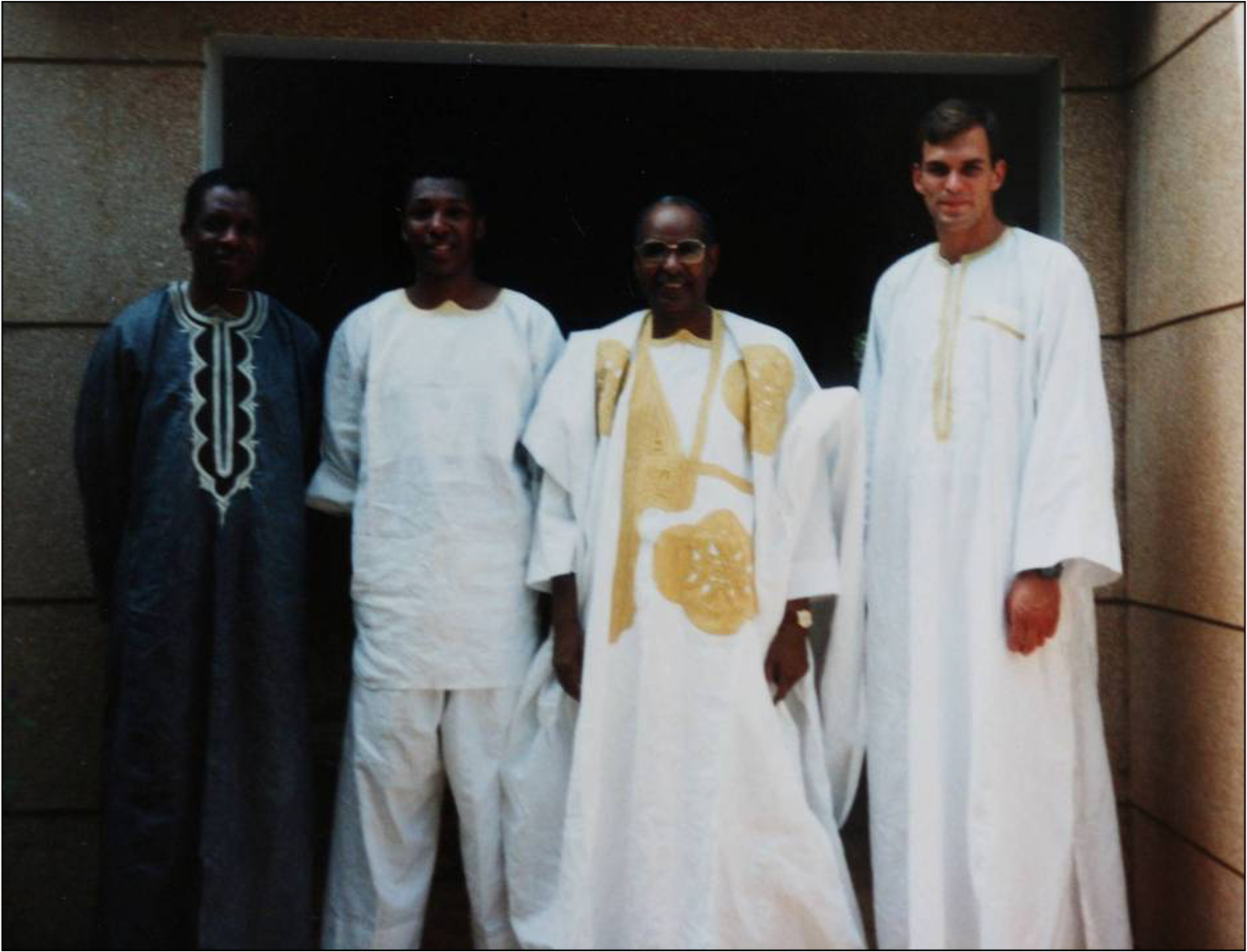
Founder story • SafeCirc® mission origins
The Story in Pictures
Years of collaboration, clinical research, training, and shared commitment to safer circumcision care.
-
![A group of doctors in white coats, gathered around a seated person]()
Early clinical training, Nigeria
-
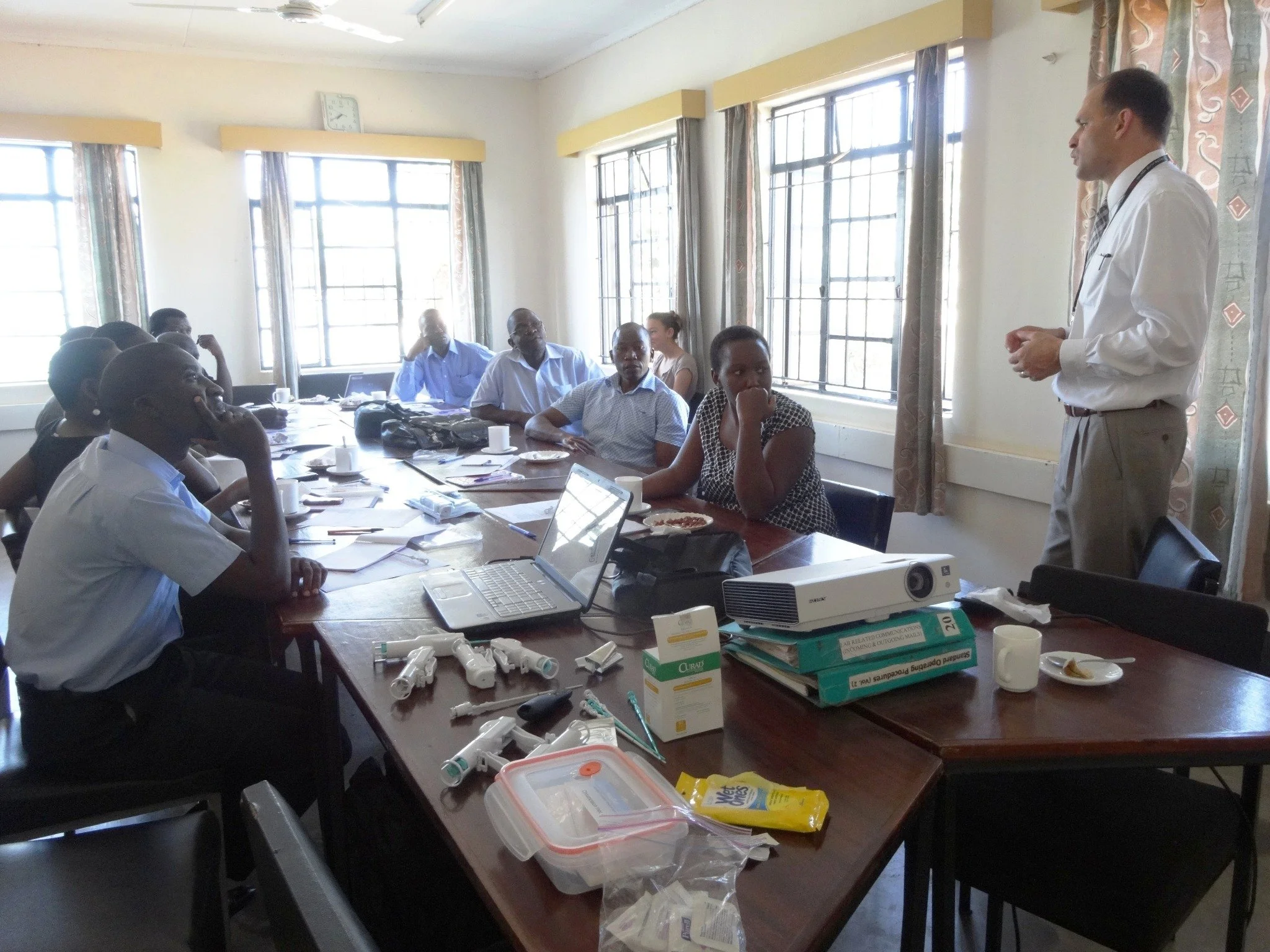
![A group of doctors attending a medical training session in a room with large windows]()
Clinical collaboration, Kenya
-
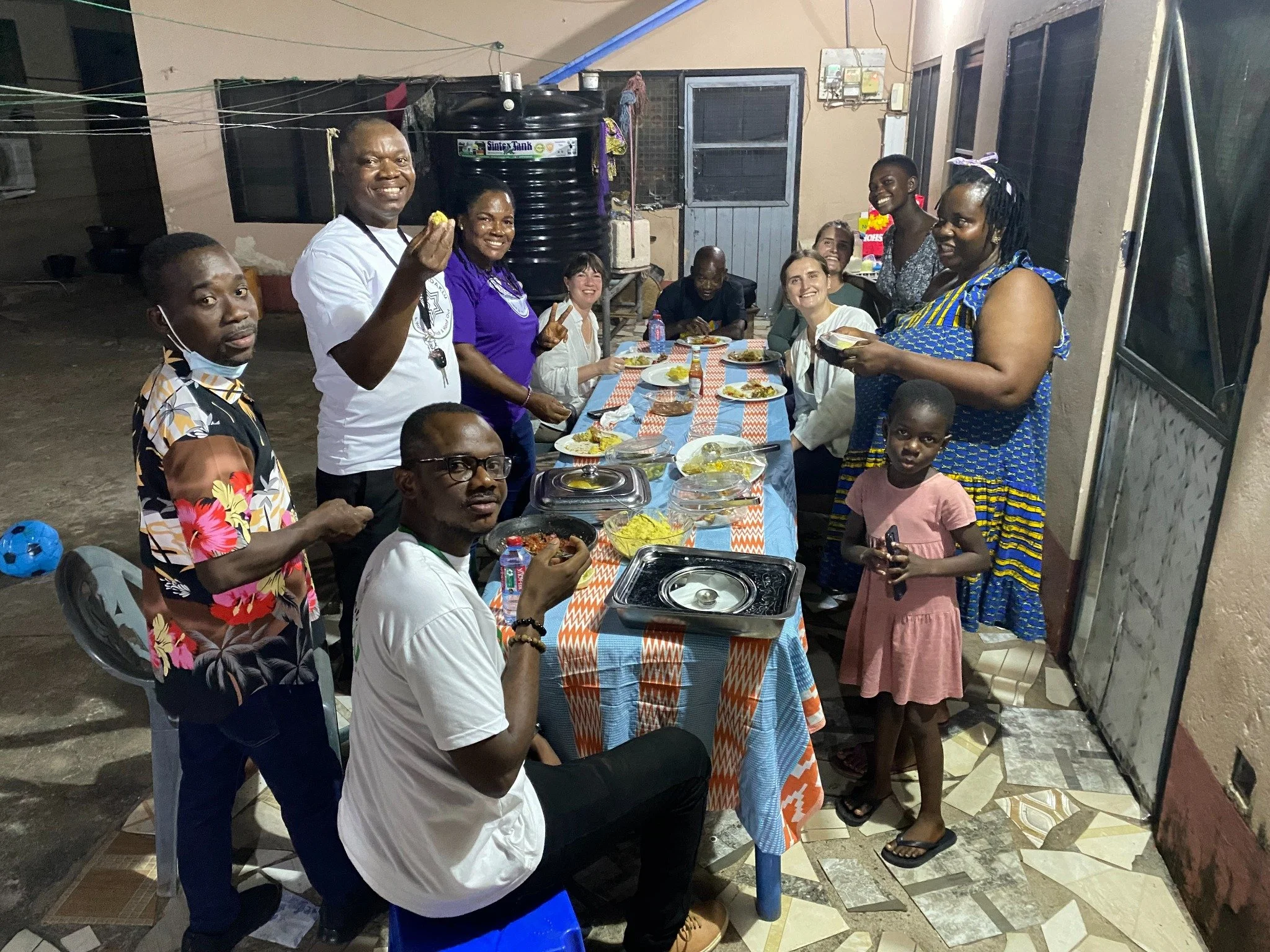
![A group of people gathered around a dinner table outdoors at night]()
Building relationships beyond the clinical setting, Ghana
-
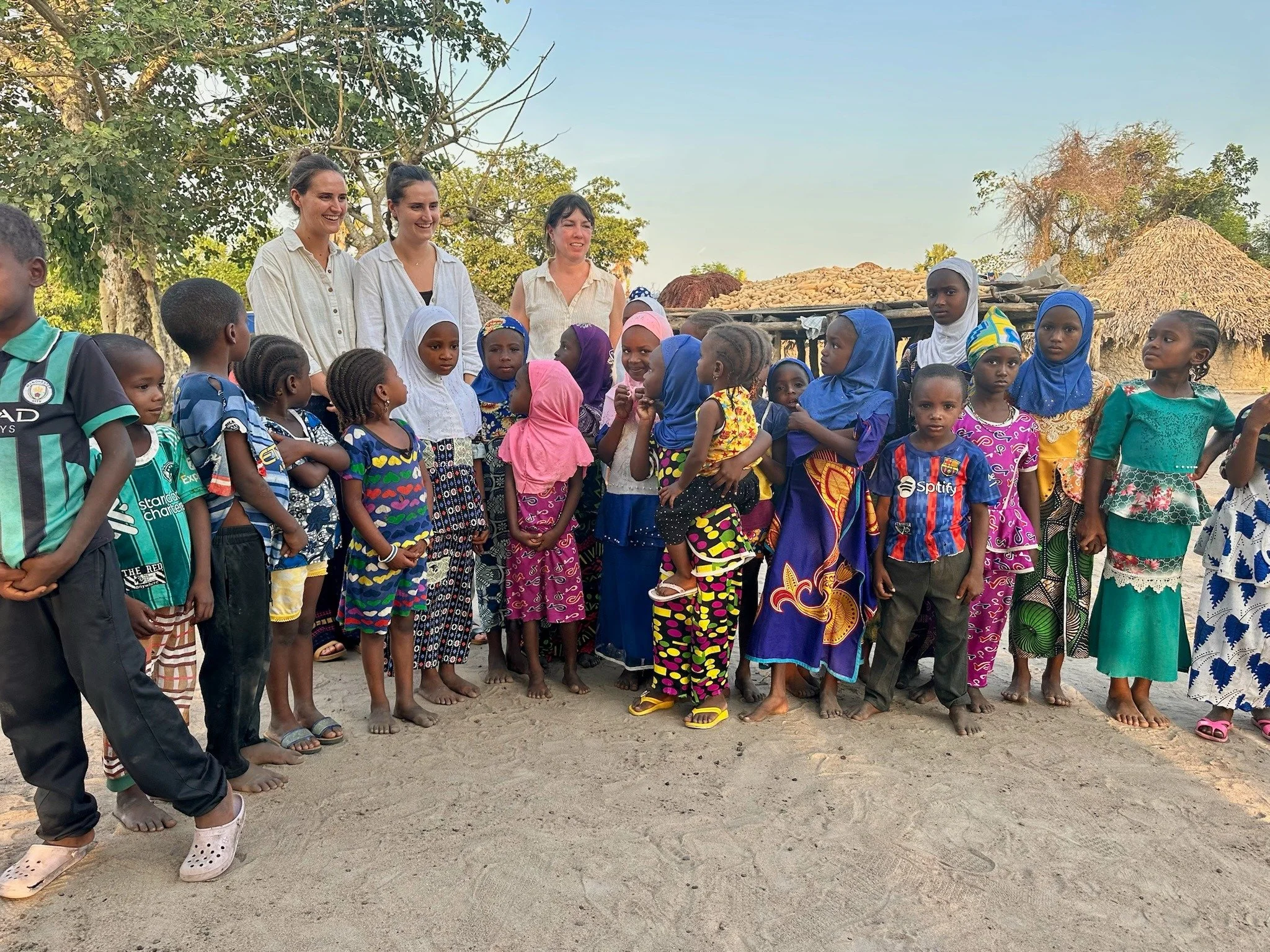
![Women and children gather outdoors in a rural area]()
Community outreach and partnership, Ghana
-
![A woman in a colorful geometric dress attends to a baby lying on a hospital bed, with medical supplies nearby]()
Provider-led care across settings, AccuCirc in clinical practice, Kenya